Why the Happy Anniversary Cake Remains Our Most Stubborn Romantic Ritual
Published
Slicing into a layer of frosted sugar reveals surprising truths about how modern couples measure time and navigate the emotional weight of shared history.
The Great Frosting Misunderstanding
Ask anyone browsing a bakery window in mid-June, and they will likely tell you that ordering a happy anniversary cake is simply a socially acceptable pretext for consuming massive quantities of refined sugar on a Tuesday night. We assume the tradition persists because humans possess an innate biological weakness for vanilla buttercream. We picture couples mindlessly repeating the motions of their wedding day without interrogating why the ritual survived. This assumption misses the point entirely. The frosted confection sitting in the center of the dining room table represents something far more psychologically complex than a mere dessert craving.
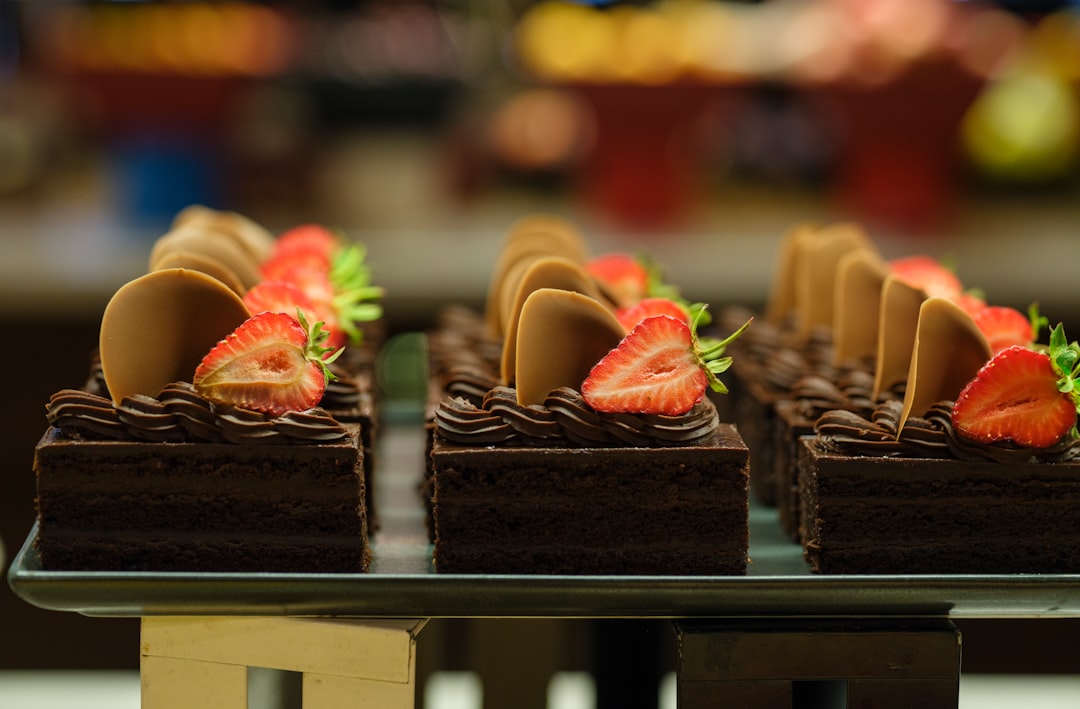
Slicing into a celebratory sponge actually serves as a highly structured mechanism for processing the sheer shock of surviving another 365 days of domestic cohabitation. It forces two people to pause their relentless weekly routines of paying utility bills and arguing over dishwasher loading techniques to acknowledge their shared timeline. The cake demands immediate attention. When you place a custom order for a dark chocolate ganache torte, you are physically manifesting the abstract concept of your relationship's durability into a tangible object that you can literally consume together.
Queen Victoria, Structural Engineering, and the Top Tier
Queen Victoria inadvertently launched the architectural arms race of celebratory baking in 1840 when her wedding featured an imposing plum cake measuring ten feet in circumference. By the time the late nineteenth century rolled around, bakeries had figured out how to use internal pillars to separate layers, giving birth to the pervasive top tier preservation myth. Couples began freezing the smallest portion of their wedding dessert, wrapping it in layers of optimistic foil to be thawed and eaten exactly one year later. Frosting does not freeze well. Anyone who has actually tasted a one-year-old piece of frozen sponge knows it tastes exactly like heavily iced cardboard, yet the ritual survived the culinary disappointment because the act of eating it proved that the marriage had outlasted the freezer burn.
Modern couples have largely abandoned the freezer-burn masochism in favor of ordering a fresh happy anniversary cake that actually tastes good. The shift toward buying a new dessert annually reflects a healthier approach to commemorating a wedding anniversary, prioritizing present joy over stale nostalgia. Bakeries now routinely field highly specific requests for flavor combinations that somehow capture the specific mood of a third or seventh year of marriage. Lemon curd might represent a year of tart disagreements that resolved into sweetness, while a dense hazelnut praline signals a period of reliable, unpretentious comfort.
The Psychological Weight of Buttercream
Couples often project their relationship anxieties directly onto the physical appearance of their celebratory desserts. A perfectly smooth fondant exterior might mask a year filled with chaotic career changes and unexpected medical bills. The smooth fondant projects absolute control. Conversely, the recent trend of naked cakes—where the outer layer of frosting is scraped away to reveal the raw cake and filling beneath—strikes a remarkably honest chord for partners navigating the messy realities of domestic life. You cannot hide a lopsided bake under a thick layer of Swiss meringue buttercream when the sides are completely exposed to the scrutiny of your visiting in-laws.
The actual cutting of the pastry generates its own fascinating behavioral data regarding how partners operate under pressure. Some couples approach the task with the precise coordination of a surgical team, their hands stacked neatly on the silver knife handle just as they did on their wedding day. Some attack it like a hostile piñata. I once watched a couple celebrate their fifth year together at a crowded restaurant in Chicago by aggressively stabbing a tiramisu with their dessert forks before the waiter even finished setting it down upon the white tablecloth. Their chaotic enthusiasm felt significantly more romantic than a rigidly choreographed photo opportunity.
Why Flavor Profiles Provoke Marital Debates
Consider the wildly specific cultural footprint of the 1989 film Steel Magnolias and its infamous red velvet armadillo groom's cake. That cinematic moment permanently altered how American couples viewed the boundaries of acceptable celebratory baking, proving that a happy anniversary cake did not have to adhere to rigid aesthetic standards of white-on-white elegance. The cinematic armadillo changed everything. It gave partners permission to introduce humor and deeply personal inside jokes into their annual sugar intake. A cake shaped like a slightly mangled Honda Civic might perfectly memorialize the terrifying cross-country road trip that tested the absolute limits of a couple's communication skills during their second year of marriage.
Chocolate remains the dominant flavor choice for couples marking their first decade together, closely followed by various iterations of salted caramel. The salt is entirely crucial. Pure sweetness eventually becomes cloying, both in complex French pastry and in long-term romantic partnerships. The sudden, sharp bite of sodium cuts through the rich fat of the caramel, providing a necessary contrast that keeps the palate engaged and prevents the entire experience from flattening into a one-dimensional sugar rush.
The Rise of the Anti-Cake
Instagram undeniably mutated the happy anniversary cake from a private domestic ritual into a highly visible public performance metric. Couples now routinely commission elaborate sugar sculptures specifically designed to look stunning on a smartphone screen, sometimes completely ignoring how the actual ingredients taste. The aesthetic pressure exhausts modern couples. When the frosting colors are chosen to match a preset photo filter rather than the couple's actual flavor preferences, the dessert becomes a prop rather than a genuine celebration.
Bento cakes—tiny, intricately decorated four-inch rounds nestled inside takeout boxes—recently emerged as a clever rebellion against this exhausting performative scale. They offer the exact right amount of psychological validation without requiring a terrifying credit card charge or leaving couples with a week's worth of rapidly drying leftovers taking up critical refrigerator space. A tiny cake feels deeply secretive. It suggests that the anniversary is an intimate, closed-loop event meant strictly for the two people who actually lived through the previous twelve months of shared existence.
Further reading
- When planning the broader celebration, review our suggestions for customizing your annual dessert centerpiece.
- If you are looking for physical presents to accompany the dessert course, browse these thoughtful presents for surviving year one.
- For couples who want to document their timeline digitally, explore these methods for compiling a digital tribute.
- If you are honoring friends before they officially tie the knot, read our thoughts on how to acknowledge a proposal milestone.
- Find broader inspiration for your romantic milestones within our main annual celebration archives.
We rely on these predictable annual markers because the actual day-to-day experience of being married rarely provides clear performance reviews or distinct finish lines. You do not get a certificate for successfully navigating a tense disagreement about holiday travel plans or managing a sudden plumbing disaster in the middle of the night. You survived the calendar year. Slicing into a meticulously decorated happy anniversary cake provides a rare moment of undeniable, quantifiable achievement, proving that you made it to this specific date on the calendar with your sanity largely intact.
Key Takeaways
- The tradition of preserving the top tier originated in the late nineteenth century when structural pillars allowed for multi-layered designs, though the resulting frozen cake rarely tastes good.
- Modern flavor choices often reflect the psychological state of a relationship, balancing sweetness with necessary contrasting elements like salt or tart citrus.
- Social media shifted the focus toward aesthetic perfection, prompting a recent counter-movement toward intimate, four-inch bento cakes that prioritize privacy over performance.
- A custom cake serves as a tangible, consumable monument to surviving the mundane and chaotic realities of another year of cohabitation.
As you clear away the dessert plates and wrap the remaining slices in foil for tomorrow's breakfast, let the sugar rush carry you into the start of a fresh week. The grand gestures of the anniversary evening will inevitably fade back into the comforting hum of your regular routine, but the resilience you celebrated tonight will remain firmly planted in the foundation of whatever challenge Tuesday morning decides to throw your way.